
Many Irish organisations struggle to distinguish between “eco-friendly” and “sustainable” workwear. Misinterpreting these terms can lead to purchasing decisions that fail to meet genuine sustainability goals, thereby exposing businesses to risks related to reputation and compliance. Clear criteria are essential to avoid misleading claims and ensure that purchasing decisions support both ethical and environmental standards. Clear criteria are essential to avoid misleading claims and ensure that purchasing decisions support both ethical and environmental standards, particularly when evaluating sustainable workwear.
Why “Eco-Friendly” and “Sustainable” Are Not the Same
The term "eco-friendly" is frequently used in marketing without a clear, consistent definition. Products labelled as eco-friendly might include recycled materials but could still involve harmful production processes. This vagueness can mislead buyers into believing they are making responsible choices. In contrast, sustainable workwear is backed by rigorous certifications that ensure products meet specific, measurable environmental criteria over their lifecycle. Understanding these distinctions is crucial, as organisations may otherwise support practices that don't align with their sustainability goals, potentially harming the environment and their reputation.
What Sustainable Workwear Actually Means
Sustainable workwear is defined by several critical components: certified materials, traceable supply chains, and a long-term focus on reducing environmental impact. Certified materials, such as organic cotton, adhere to strict environmental standards, ensuring they are safe for both workers and the environment. This includes being grown without harmful pesticides, thus promoting biodiversity and soil health.
Traceable supply chains provide transparency, allowing organisations to verify ethical production processes from raw material sourcing to manufacturing. This transparency is crucial for confirming that garments are produced sustainably, ensuring accountability at every stage. Additionally, sustainable workwear focuses on long-term impact, with garments designed for durability, reducing waste, and promoting a circular economy. This approach not only enhances product longevity but also contributes to a significant reduction in the overall carbon footprint of an organisation's uniform supply, aligning with broader environmental objectives.

The Problem with “Eco Ranges” in Workwear
Many suppliers offer "eco ranges" in their product lines, but these often lack consistency and substance. Such ranges might feature only a few token sustainable products, serving more as marketing tools than genuine commitments to environmental responsibility. This inconsistency can mislead organisations seeking comprehensive sustainability solutions, as the presence of a few eco-friendly items does not guarantee the overall sustainability of the range.
To ensure genuine sustainable practices, it's vital to scrutinise the entire product range rather than rely solely on marketing claims. Consistency across product offerings is crucial for aligning with sustainability goals, ensuring that every piece of workwear contributes positively to environmental commitments.
Why Certifications Matter More Than Marketing
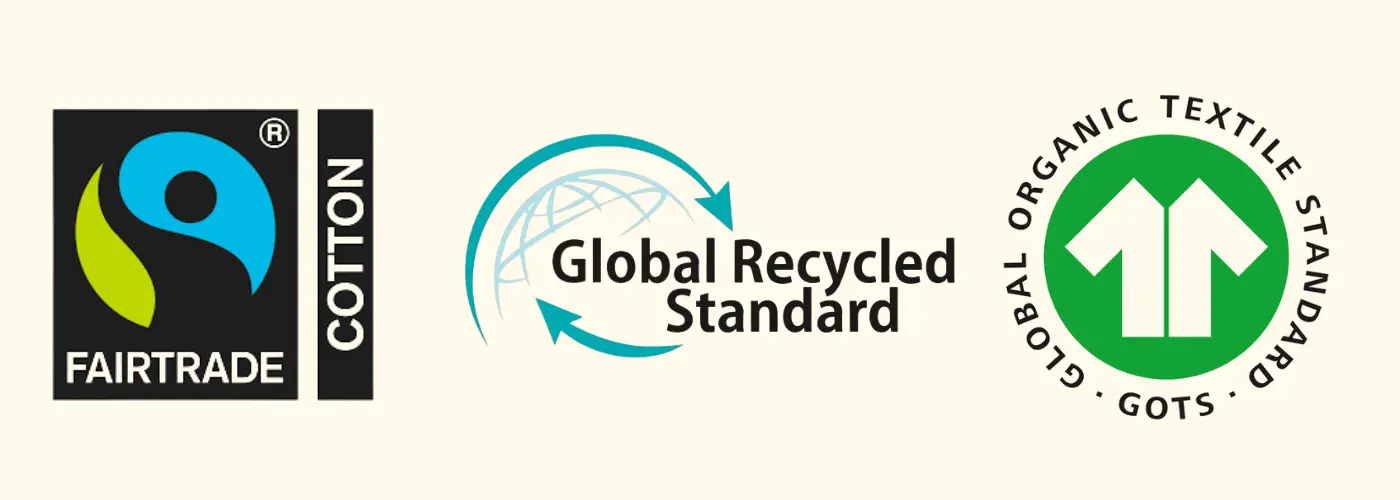
Certifications such as Fairtrade, organic standards, and recycled material standards provide credibility and verification that marketing claims alone cannot. Fairtrade certification ensures that producers receive fair compensation, promoting social equity and ethical labour practices. This not only supports fair wages but also contributes to community development and poverty alleviation.
Organic certifications guarantee that materials are produced without harmful chemicals, supporting both environmental health and consumer safety. These certifications involve rigorous inspections and compliance with sustainable farming practices, ensuring that products contribute positively to environmental conservation.
Recycled material standards verify the use of post-consumer waste, significantly reducing the demand for virgin resources and lowering overall environmental impact. By using recycled materials, organisations can help reduce landfill waste and conserve natural resources, contributing to a more sustainable future.
These certifications offer organisations a reliable method to assess sustainability claims, minimising the risk of greenwashing and ensuring that they are making ethical and informed purchases.
How Irish Buyers Should Evaluate Workwear Suppliers
Irish organisations should adopt a proactive approach when evaluating workwear suppliers to ensure they meet sustainability criteria. This involves asking detailed questions about the materials used, the certifications held, and the sustainability practices in place. Suppliers should be able to provide documentation such as certification reports and supply chain transparency documents, which are crucial for verifying their claims.
Organisations should also be wary of marketing language that lacks substance and should seek evidence of a supplier's sustainability practices. This could include information about their environmental policies, energy use, waste management, and efforts to reduce carbon emissions. By taking these steps, they can avoid greenwashing and make decisions that support their environmental and ethical objectives.
Additionally, organisations should consider the long-term relationship with suppliers, evaluating their commitment to continuous improvement in sustainability practices.
Conclusion
Understanding the difference between eco-friendly and sustainable workwear is essential for Irish organisations committed to responsible purchasing. By focusing on certified sustainable options, organisations can align their values with procurement practices, reducing the risks associated with misleading claims. Prioritising certified sustainable workwear ensures that purchasing decisions contribute positively to environmental and social responsibility goals, reinforcing the organisation's commitment to ethical practices. Making informed decisions based on credible certifications and clear definitions will ultimately strengthen an organisation's sustainability efforts, benefiting both the environment and the community.