
Introduction: Practical Sustainability for Real Irish Businesses
Irish SMEs and local businesses are built on reputation, reliability and trust. Whether you are a tradesperson working in customers’ homes, a café owner serving the same community every day, or a small retail, service or facilities business competing locally, how your team presents itself matters.
Branded workwear plays a quiet but important role in this. It helps customers immediately recognise who they are dealing with, reinforces professionalism, and builds confidence in your business. Increasingly, it is also part of broader conversations around sustainability, ethics and responsible sourcing. Customers, staff and local authorities are paying closer attention to how businesses operate and where their products come from.
For many small and medium-sized businesses, however, sustainable workwear can feel like something designed for large corporates with big budgets and complex procurement processes. There is often a perception that ethical or eco-friendly uniforms are expensive, impractical or unnecessary at SME level.
In reality, sustainable branded workwear in Ireland is becoming far more accessible to small businesses. Fairtrade, Organic and Recycled garments are now widely available in practical, hard-wearing formats that suit everyday work. This guide is written specifically for Irish SMEs, sole traders and local businesses. It explains where to start, what to prioritise, and how sustainable workwear can support your brand, your staff and your long-term business goals without overcomplicating the process.
The Roles You Need to Dress in an SME or Local Business
Most Irish SMEs do not have clearly separated job functions in the way large organisations do. Staff often perform multiple roles, which means uniforms need to be flexible, practical and consistent. Common roles in small and local businesses include:
Owner-operators and supervisors
Often customer-facing, pricing work, managing jobs or stepping in operationally when needed. Their workwear should look professional and branded, while still being practical enough for hands-on tasks.
Customer-facing staff
Retail assistants, café staff, reception teams or delivery drivers. Appearance, comfort and easy movement are critical, as these roles directly shape customer perception of your business.
Trades and technical staff
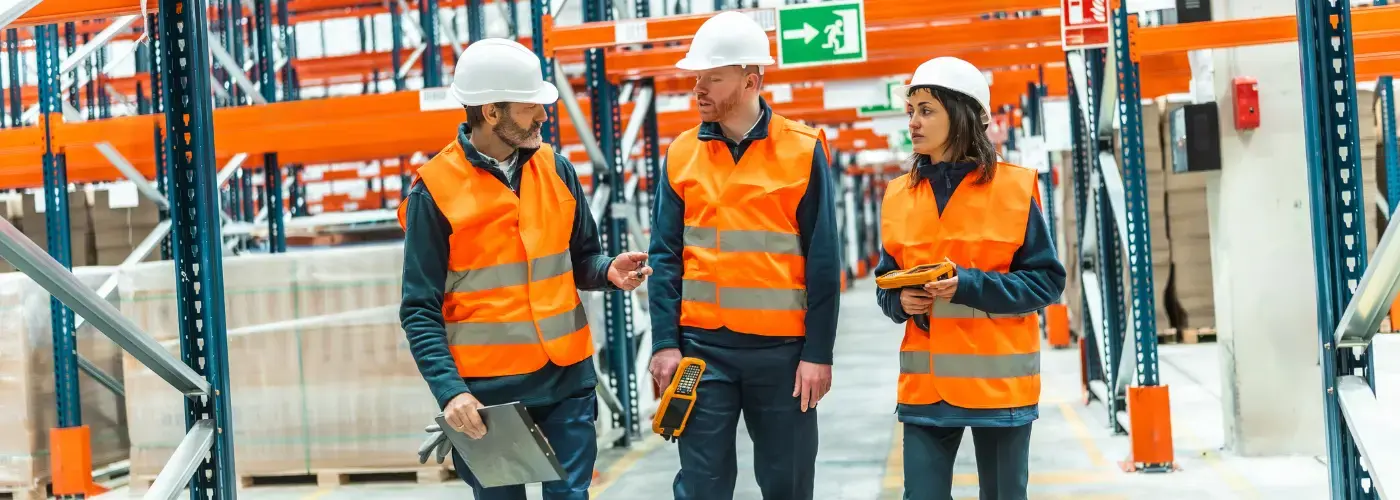
Electricians, plumbers, installers and maintenance workers move between sites and work in varied conditions. Durability, pockets, visibility and comfort are essential, alongside clear branding.
Back-of-house and support roles
Kitchen teams, warehouse staff or cleaners may not always be visible to customers, but still benefit from consistent, comfortable workwear that reflects the business.
Good uniform planning for SMEs starts by recognising these overlapping roles and selecting a small number of core garments that work across them, rather than trying to replicate corporate uniform structures that do not reflect day-to-day reality.
Core Uniform Requirements for Small and Local Businesses
Before sustainability is considered, workwear for SMEs must meet basic operational requirements. If these are not met, even the most ethical garment will fail in practice.
Durability and laundering performance
Small businesses need workwear that lasts. Garments should withstand frequent washing, retain colour and shape, and hold embroidery or print without degrading.
Comfort for long working days
Breathable fabrics, sensible fits and appropriate layering reduce fatigue, particularly for physically demanding or long-shift roles.
Professional branding and consistency
Clear logos, consistent colours and tidy presentation help customers quickly identify your staff and associate them with your business.
Safety and task suitability
For trades and site-based roles, considerations such as slip risk, weather exposure and visibility are critical. Hi-vis and protective layers may be required depending on the work.
Simple ordering and replacement
SMEs benefit from choosing a limited range of core garments that can be reordered easily as staff join or items wear out.
Sustainable workwear must meet these practical requirements first. Once that baseline is in place, Fairtrade, Organic and Recycled options can be prioritised where they make sense for the role.
Where Fairtrade, Organic and Recycled Workwear Fits Best for SMEs
For small businesses, the most effective approach is to start with garments that are worn most often and seen most frequently. These deliver the greatest practical and reputational impact.
Tops: T-Shirts, Polos and Shirts
Fairtrade and Organic cotton t-shirts and polos are often the easiest starting point. They suit a wide range of SME roles, from retail and hospitality to trades and service businesses. Heavier-weight options are available that cope well with regular washing and embroidery, making them suitable for daily workwear rather than promotional use.
For businesses that need a smarter appearance, Organic cotton shirts or blouses offer a professional look while remaining comfortable for long days.
Mid-Layers: Sweatshirts, Hoodies and Fleeces
Mid-layers are essential in Irish working conditions. Organic cotton sweatshirts and hoodies work well for many SME teams, particularly where heavy soiling is limited. For outdoor or mobile roles, recycled polyester fleeces and softshells provide warmth, durability and weather resistance.
Because these garments are worn frequently, they are ideal candidates for sustainable materials.
Trousers and Work Pants
Trousers are often more task-specific, particularly for trades. While fully Organic options are less common, many durable work trousers now include recycled polyester content. These blends maintain strength and abrasion resistance while reducing environmental impact.
Outerwear, Hi-Vis and Practical Layers
Recycled polyester is increasingly common in jackets, gilets and softshells, making them a strong sustainable option for SMEs. Hi-vis and PPE must always meet safety standards first. Where available, recycled-content hi-vis garments can be considered.
Sustainable Branded Workwear for Small Businesses in Ireland: Common Search Questions
Small business owners in Ireland often search for sustainable branded workwear because they want something practical, affordable and professional without the complexity of corporate procurement. Common questions include where to buy sustainable workwear for small businesses in Ireland, whether eco-friendly branded uniforms are suitable for trades and local shops, and how Fairtrade, Organic or Recycled garments compare to standard workwear in terms of durability and cost.
For most SMEs, the best starting point is branded polos, t-shirts and mid-layers that carry ethical or recycled credentials while still performing as everyday workwear. From there, businesses can gradually introduce sustainable outerwear or hi-vis where appropriate, building a responsible uniform approach that fits both budget and operational reality.
Linking Sustainable Branded Workwear to SME Business Outcomes
Sustainable workwear is not about making grand statements for small businesses. It is about supporting real outcomes.
Stronger first impressions
Consistent branded uniforms help customers trust your business. Sustainable credentials add an extra layer of credibility.
Staff pride and retention
Comfortable, well-made uniforms improve morale and are more likely to be worn correctly.
Local brand differentiation
Credibility with larger clients
Many SMEs supply or subcontract to larger organisations. Sustainable uniforms support ESG and procurement conversations.
Using Sustainable Branded Workwear in Quotes, Tenders and Local Contracts
Sustainability increasingly appears in tenders, grant applications and supplier questionnaires, even at SME level. Workwear provides a simple, visible example of action.
Consider:
- Clearly specifying where sustainable garments are used
- Quantifying garment volumes and categories
- Highlighting staff welfare and professionalism
- Aligning with client sustainability policies
Measuring and Talking About Impact as a Small Business
SMEs do not need complex ESG systems to communicate impact. Simple metrics are effective:
- Number of branded garments purchased annually
- Percentage that are Fairtrade, Organic or Recycled
- Average garment lifespan
- Staff feedback on comfort and durability
These can be referenced in tenders, on your website or in client conversations.
Getting Started: A Practical Sustainable Workwear Checklist for SMEs
- List your business roles
- Identify core everyday garments
- Prioritise sustainable tops and mid-layers
- Set minimum standards for durability and fit
- Introduce changes gradually through replacement cycles
Talk to us about planning a sustainable workwear rollout for your SME or local business.

FAQs
Q1. Is sustainable branded workwear practical for small businesses?
Yes. Many Fairtrade and Organic garments are designed for everyday workwear use and suit SMEs well.
Q2. Will sustainable garments last as long as standard workwear?
When properly specified, they perform just as well and often last longer due to higher-quality materials.
Q3. Is sustainable workwear more expensive for SMEs?
Unit prices can be higher, but durability and staff acceptance often offset this over time.
Q4. Can trades use sustainable workwear?
Yes, particularly for branded tops, mid-layers and outerwear. Hi-vis and PPE should remain compliance-led.
Q5. How do customers respond to sustainable uniforms?
Customers increasingly value visible signs of responsible business practice, especially from local businesses.
Contact Us
We would love to hear from you. Whether you are a sole trader ordering your first branded polos or a growing SME reviewing your uniform range, we can help you plan a practical, sustainable workwear solution that fits your business.
Click in the link above or email us sales@sustainableworkwear.ie